Climate & Daylight in The Mat-Su
In The Mat-Su, the sun and the thermometer dictate the rhythm of life. Because our region stretches from the coastal flats of the Knik Arm to the high peaks of the Alaska Range, weather can be localized and shift rapidly. Understanding these patterns is the first step in crafting a fearless itinerary, whether you’re chasing the summer sun or the winter’s dance of light.
The Midnight Sun
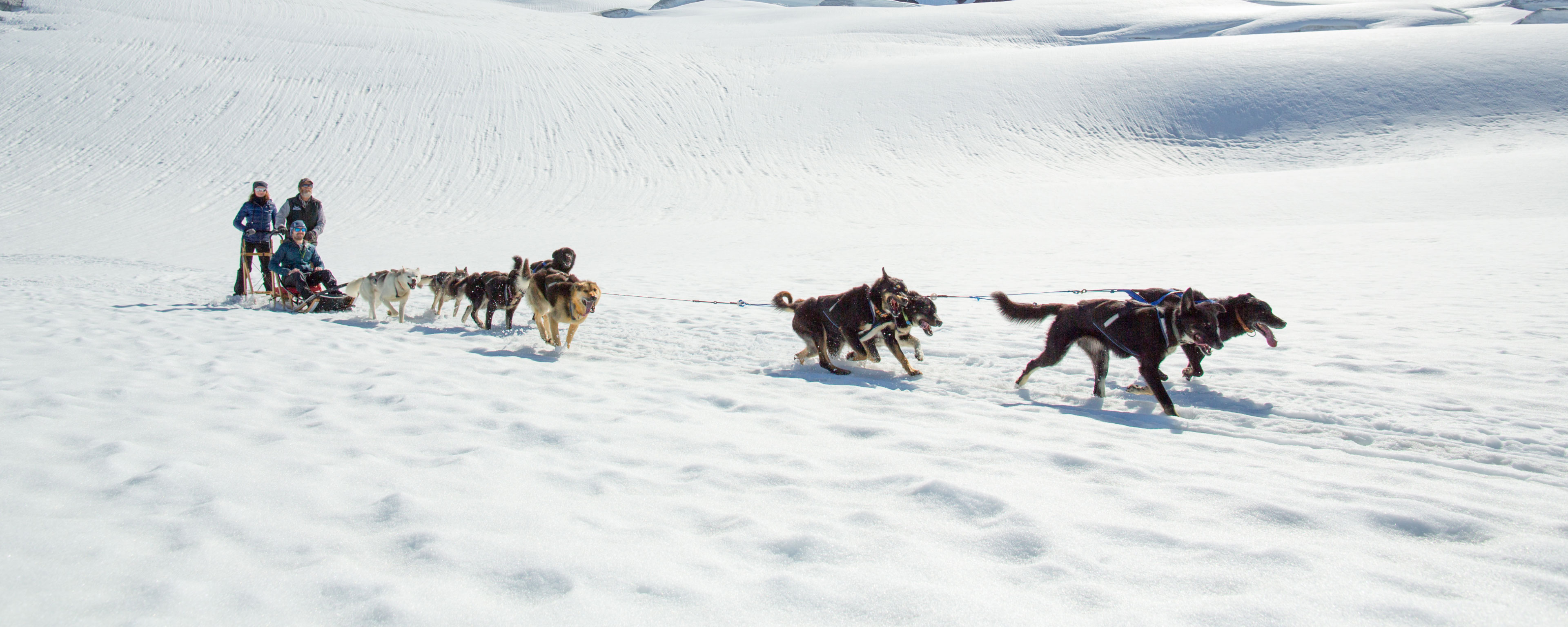
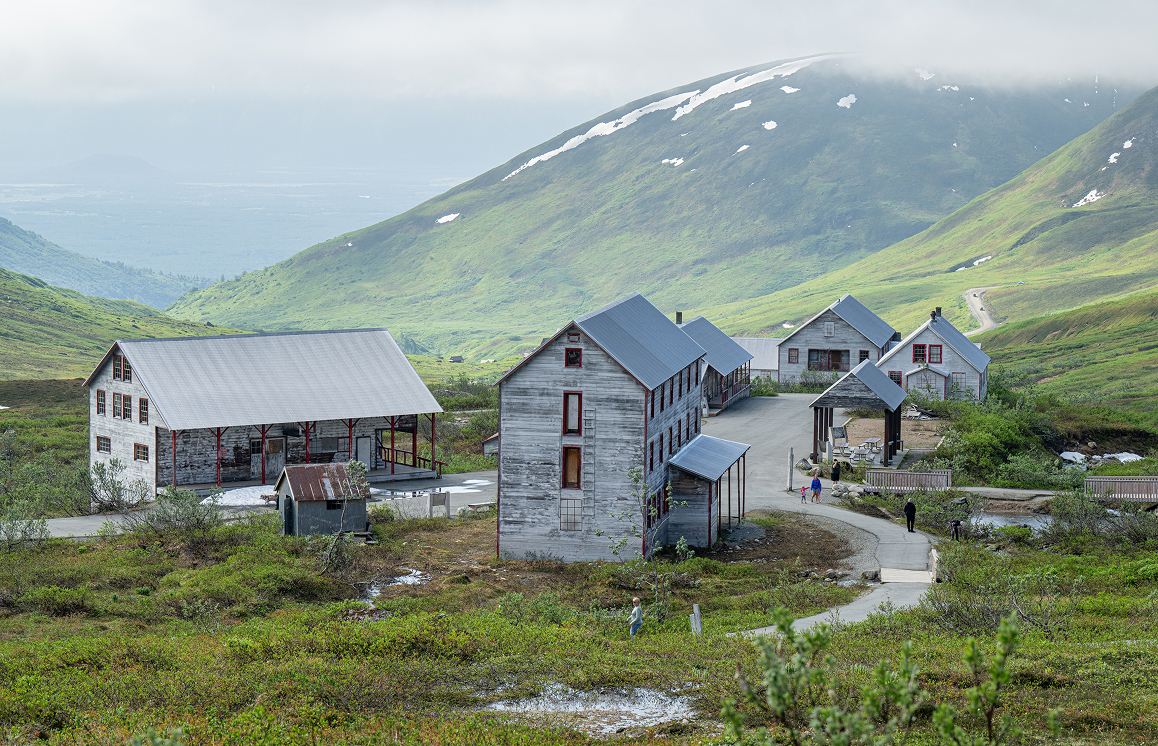
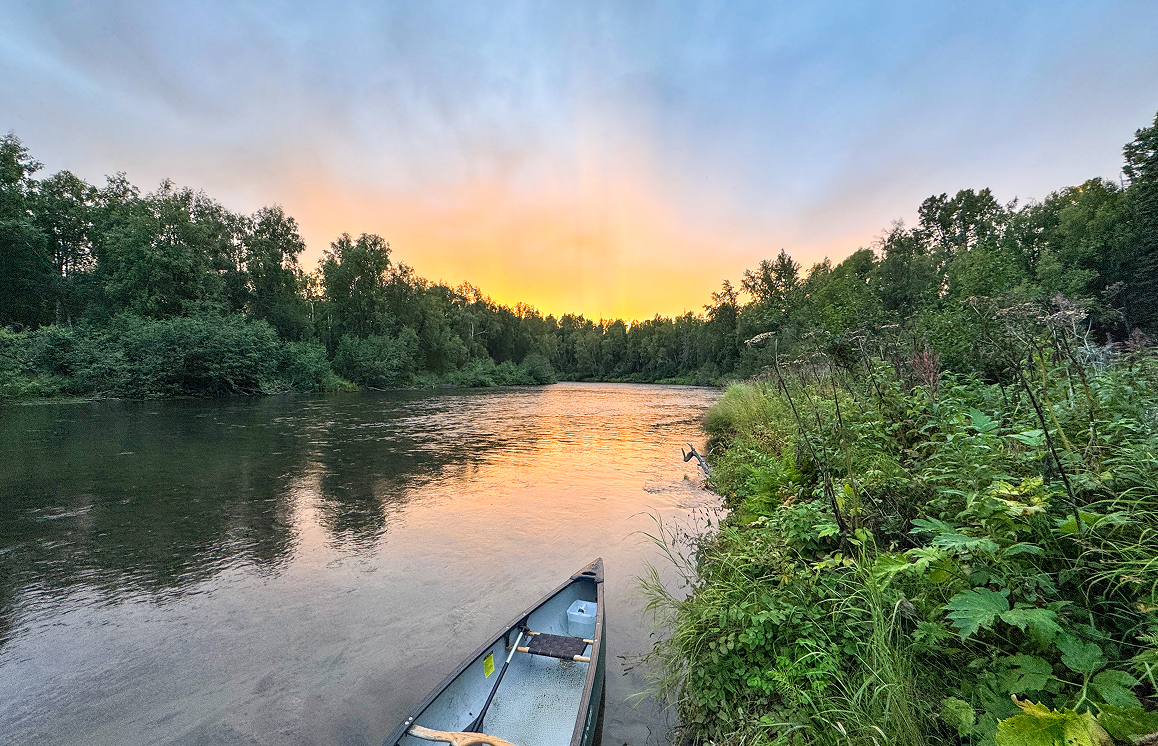
The most striking feature of life in The Mat-Su is the daylight. During the summer solstice in June, we enjoy nearly 20 hours of functional daylight. This Midnight Sun is the secret behind our world-famous giant vegetables and provides endless energy for late-evening hikes in Hatcher Pass.
Hot Tip
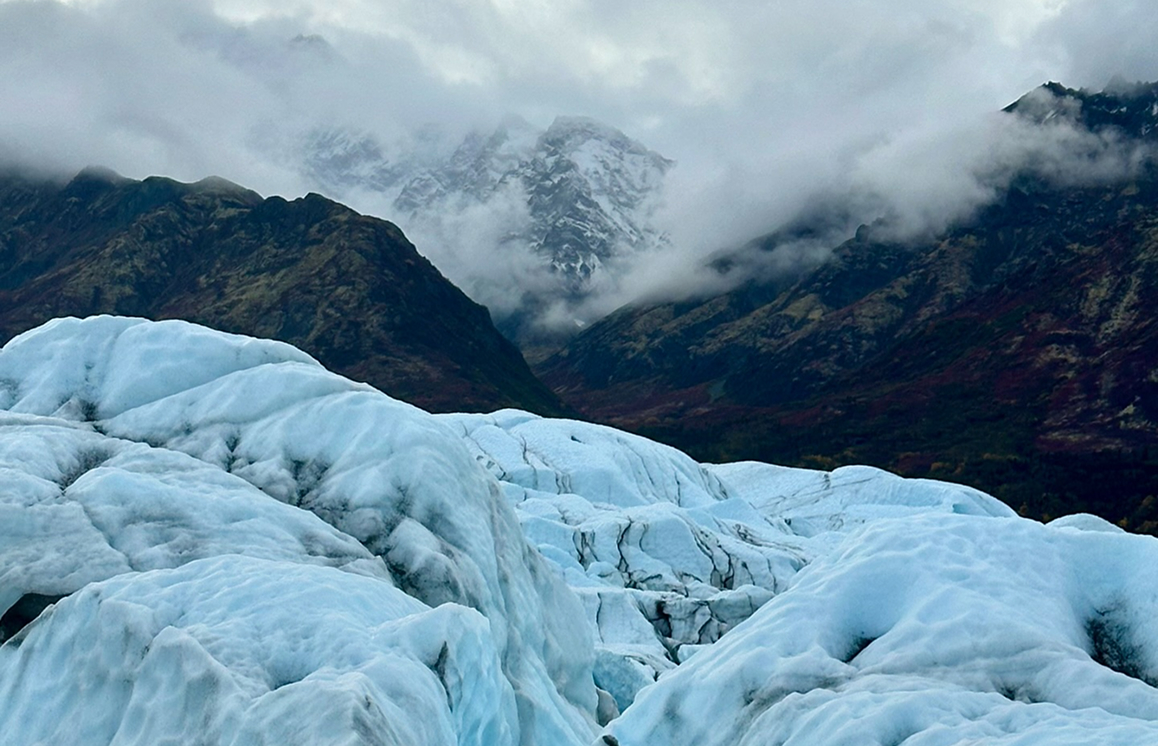
Monitor the National Weather Service (NWS) – Anchorage Office for real-time weather updates on Palmer, Wasilla, and Talkeetna.
Hot Tip
During the spring melt, stay on hardened surfaces or choose lower-elevation paths to help prevent erosion and protect our wild spaces.
Hot Tip
Consult our weather and road resources for live highway alerts and seasonal travel info for a safe, informed journey through The Mat-Su.
Winter’s Glow
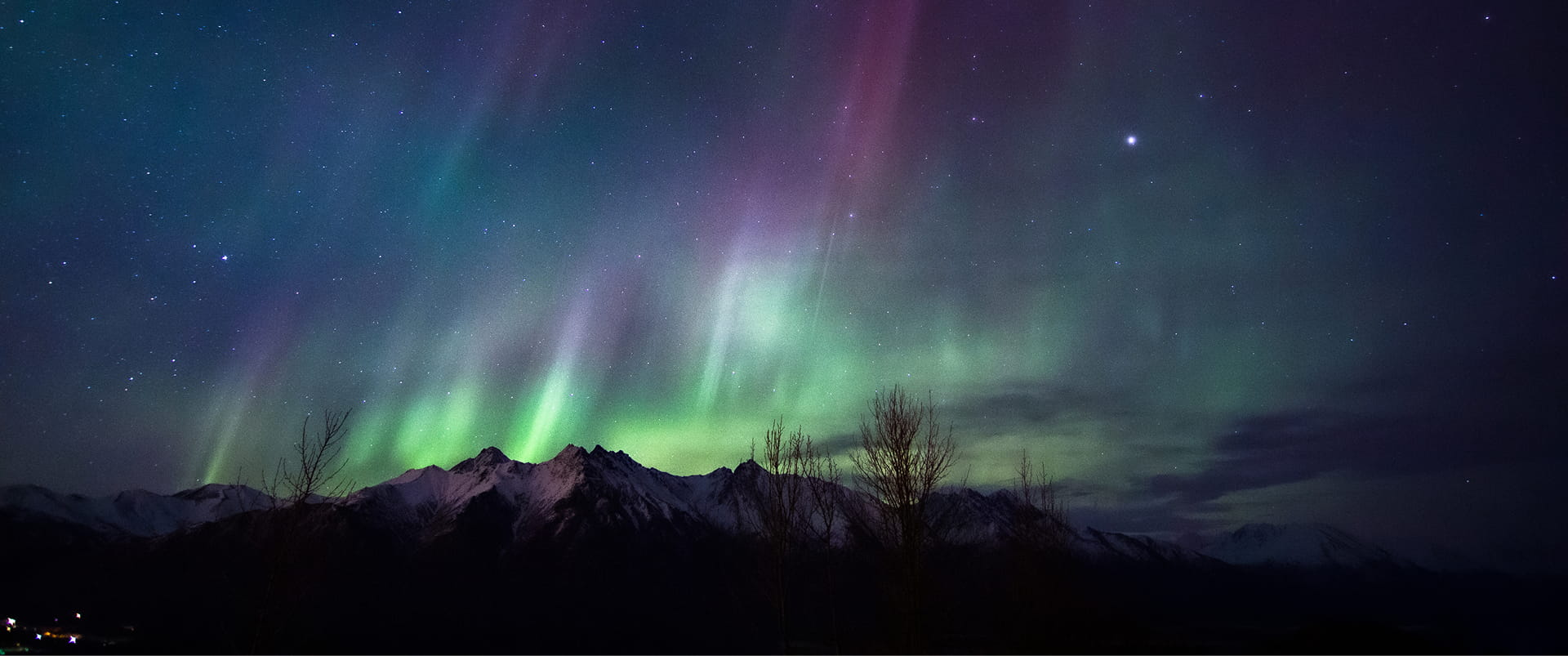
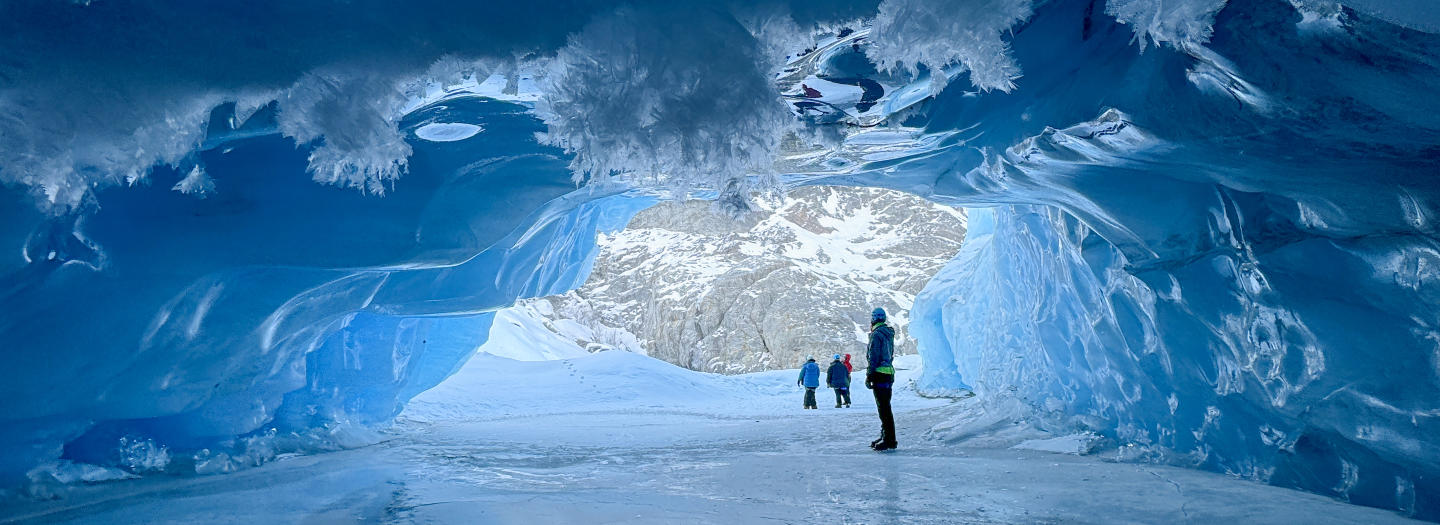
Conversely, winter brings a peaceful dimming of the lights. In December, days shorten to about 5.5 hours, creating the perfect dark-sky conditions for viewing the Aurora Borealis. This seasonal contrast is a fundamental part of the Mat-Su experience, offering two entirely different worlds to explore.
Seasonal Temperature Averages
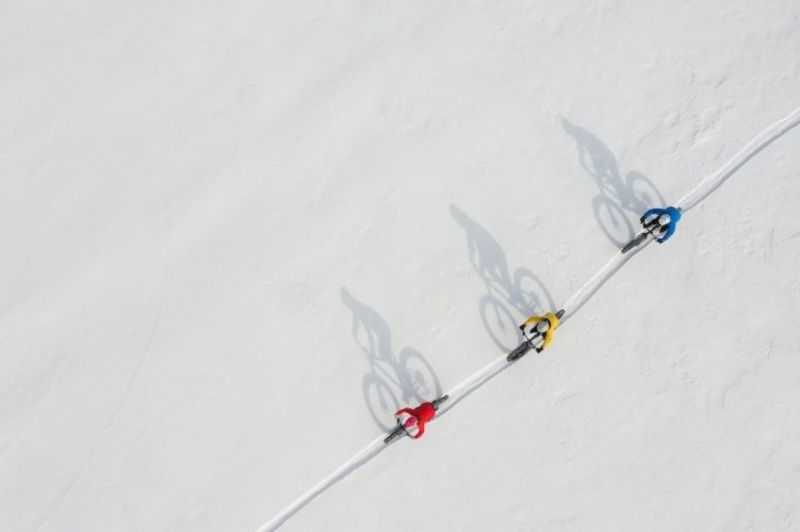
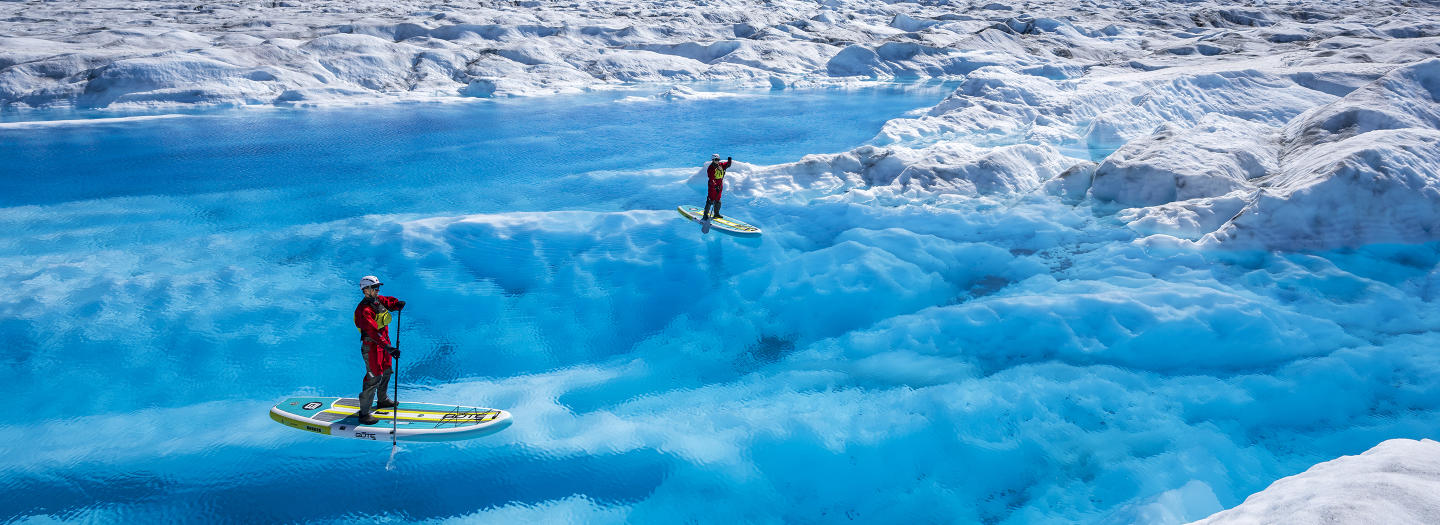
While many imagine Alaska as a land of perpetual ice, The Mat-Su enjoys four distinct and vibrant seasons. Summer temperatures are often surprisingly mild, perfect for active exploration, while our winters are crisp and dry — ideal for snow sports.
| Season | Avg. High (°F/°C) | Avg. Low (°F/°C) | What to Expect |
|---|---|---|---|
| Summer (Jun – Aug) | 65°F (18°C) | 48°F (9°C) | Mild days, peak hiking, and non-stop sun. |
| Fall (Sept – Oct) | 45°F (7°C) | 30°F (-1°C) | Golden tundra, crisp air, and the glow of the Aurora. |
| Winter (Nov – Mar) | 22°F (-5°C) | 5°F (-15°C) | Snowy landscapes, frozen lakes, and clear starry nights. |
| Spring (Apr – May) | 48°F (9°C) | 28°F (-2°C) | Lengthening days and waking wildlife as spring returns. |
Base Layer
Moisture-wicking fabrics (avoid cotton) to keep skin dry.
Insulation
A fleece or down jacket to help trap your body’s heat.
Outer Shell
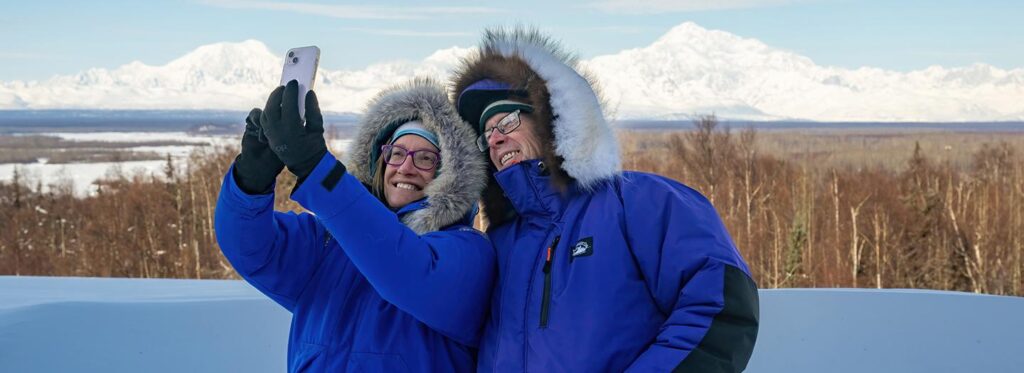
A waterproof, windproof jacket to protect against the elements.