The Heritage of The Mat-Su
A LEGACY OF RESILIENCE
The history of The Mat-Su is not found in books alone. It is etched into the mountain passes, the fertile valleys, and the enduring traditions of its people. Understanding The Mat-Su means looking back through layers of time to see how the landscape and its inhabitants have shaped one another.
The Original Stewards: Indigenous Roots
Long before the arrival of modern settlements, the Matanuska and Susitna River valleys were — and remain — the ancestral lands of the Dena’ina and Ahtna Athabascan people. For thousands of years, these communities navigated the complex waterways and mountain ridges, developing a sophisticated culture centered on the seasonal rhythms of fish and wildlife. We encourage visitors to learn more about the living traditions of Alaska’s first people through local resources.
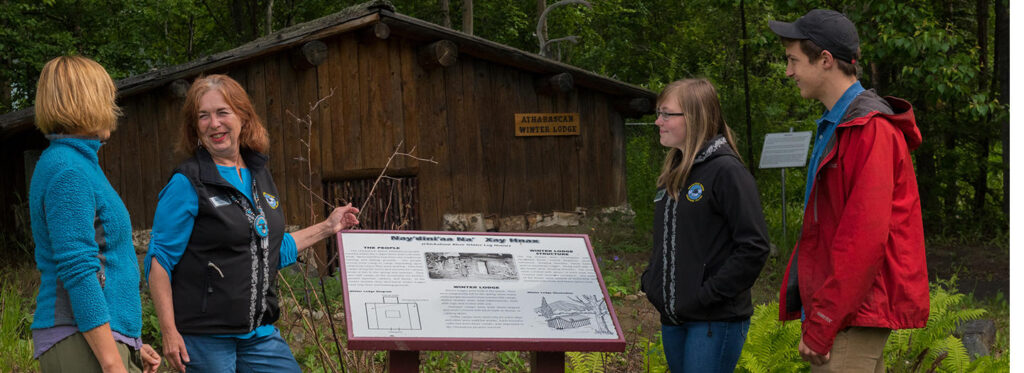
Athabascan Heritage
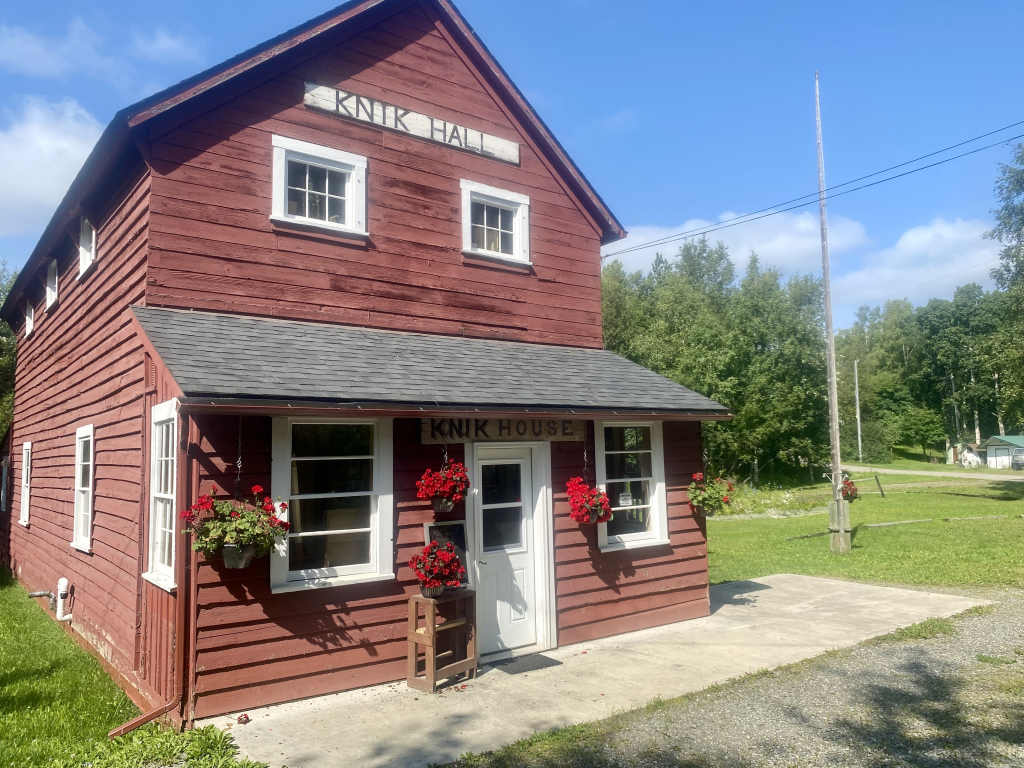
Knik Museum
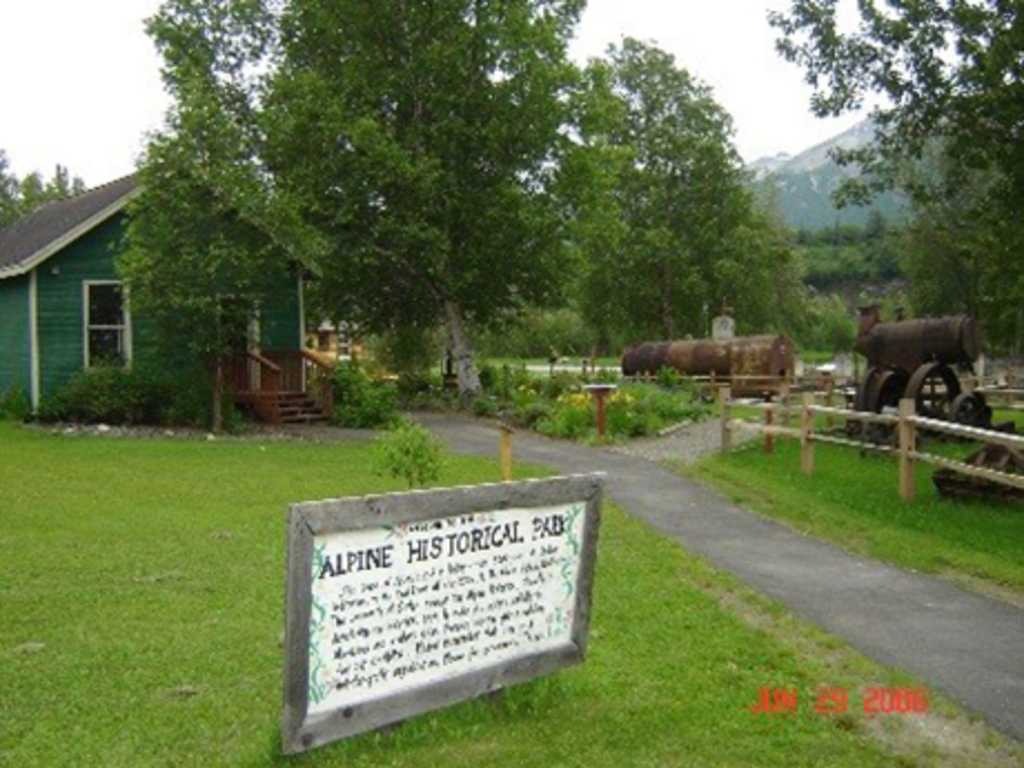
Alpine Historical Park

The Rush for Gold: Hatcher Pass & Beyond
In the late 19th and early 20th centuries, the lure of the mountains drew a new wave of pioneers. Hatcher Pass became a beacon for hard rock gold mining, a grueling pursuit that required immense craftsmanship and determination. The remains of Independence Mine stand as a window into this era, where entire communities lived and worked in the high-alpine tundra. This period of discovery was the catalyst for the development of Talkeetna and Wasilla, transforming them from trail stops into essential Alaskan hubs.
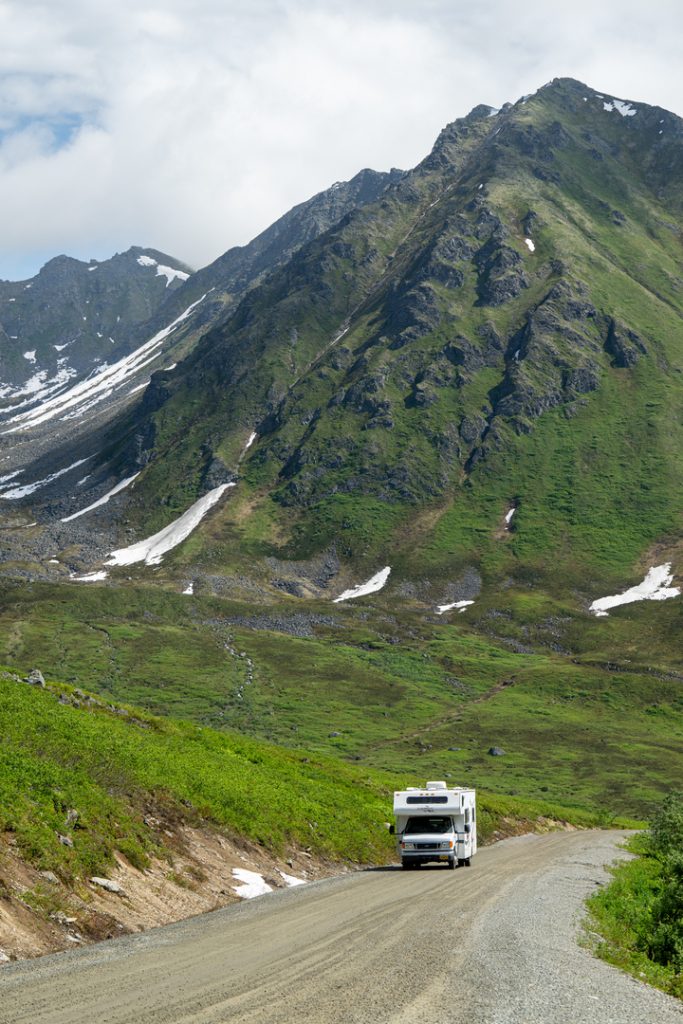
Hatcher Pass
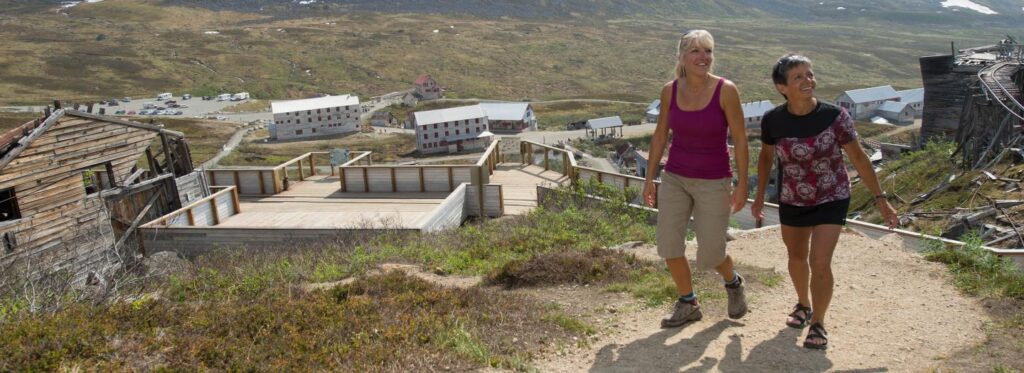
Independence Mine
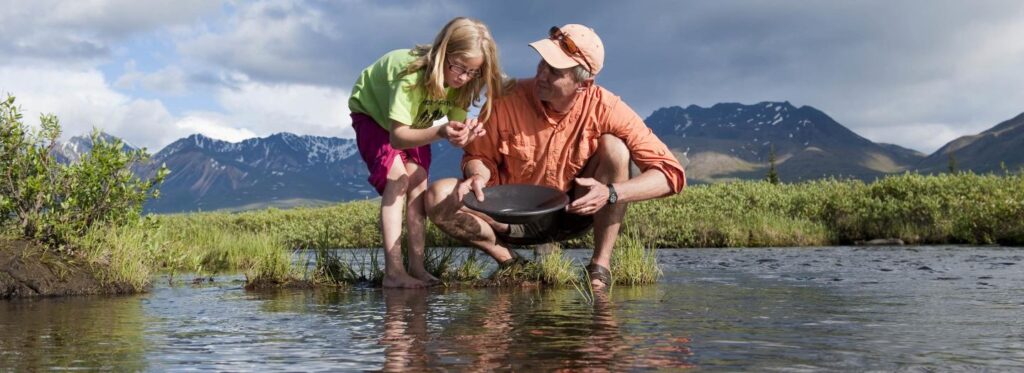
Alaska Gold Rush History
The Matanuska Colony: A New Deal Experiment
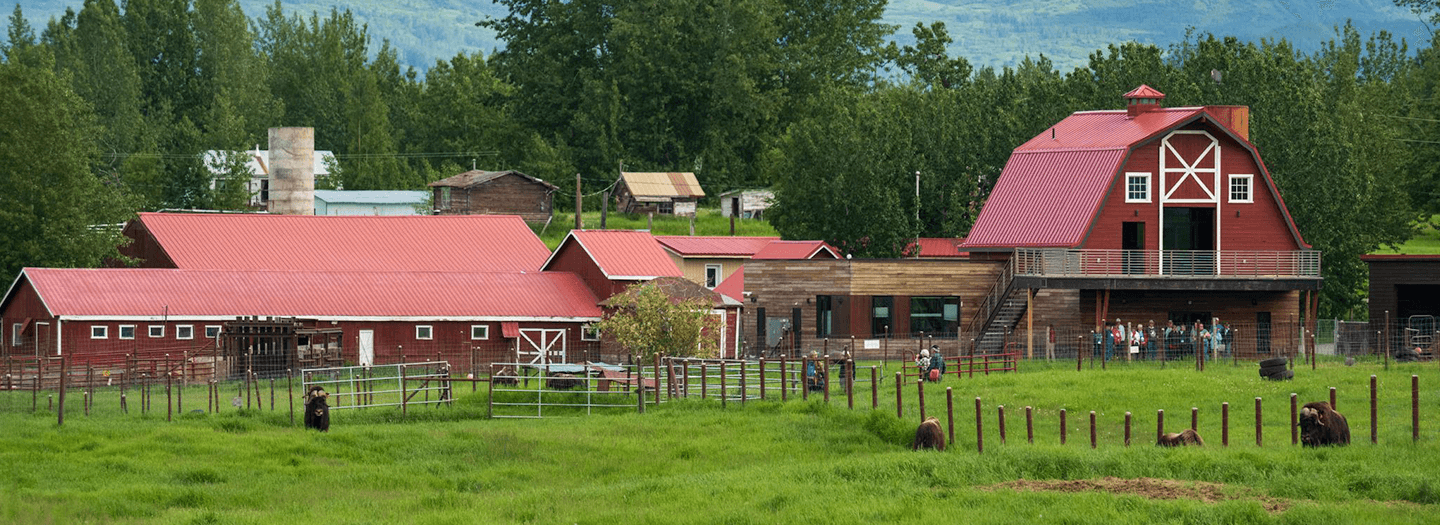
The most defining chapter of modern Mat-Su history began in 1935. During the Great Depression, the U.S. Government’s Matanuska Colony Project brought 203 families from the Midwest to the Valley to establish a new agricultural frontier. These Colonists cleared the dense forests of Palmer, building the iconic barns and farmhouses that still dot the landscape. Their success turned the region into the Breadbasket of Alaska, a title we still celebrate today through our world-famous giant vegetables and vibrant farming community.

Farmers Markets
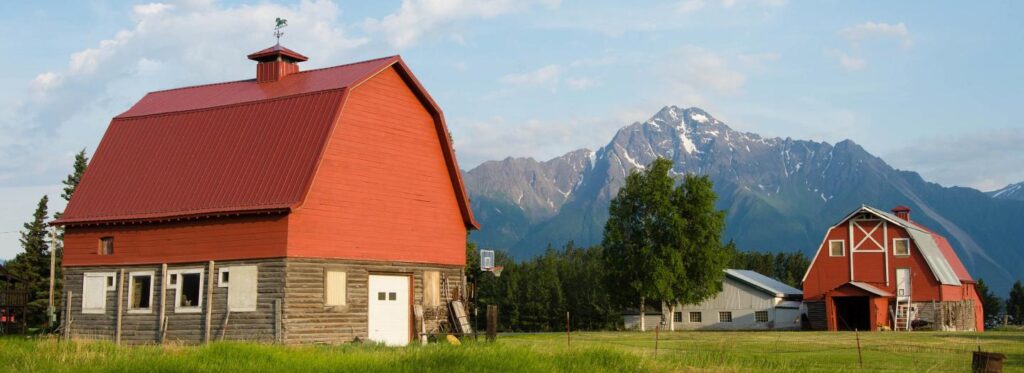
See Giant Cabbages
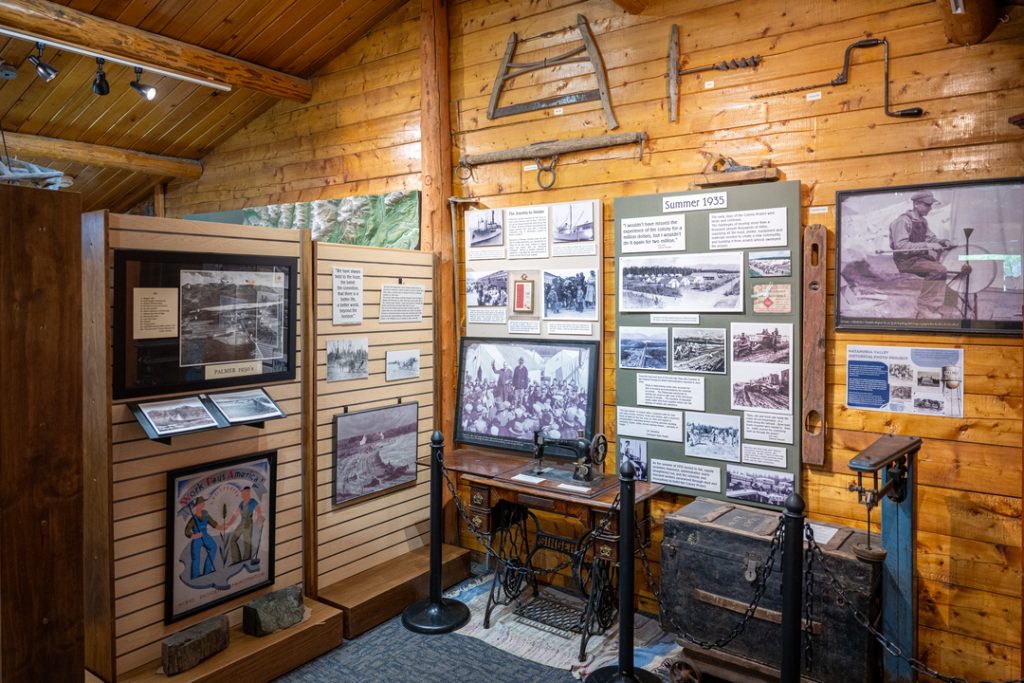
Palmer Museum of History & Art
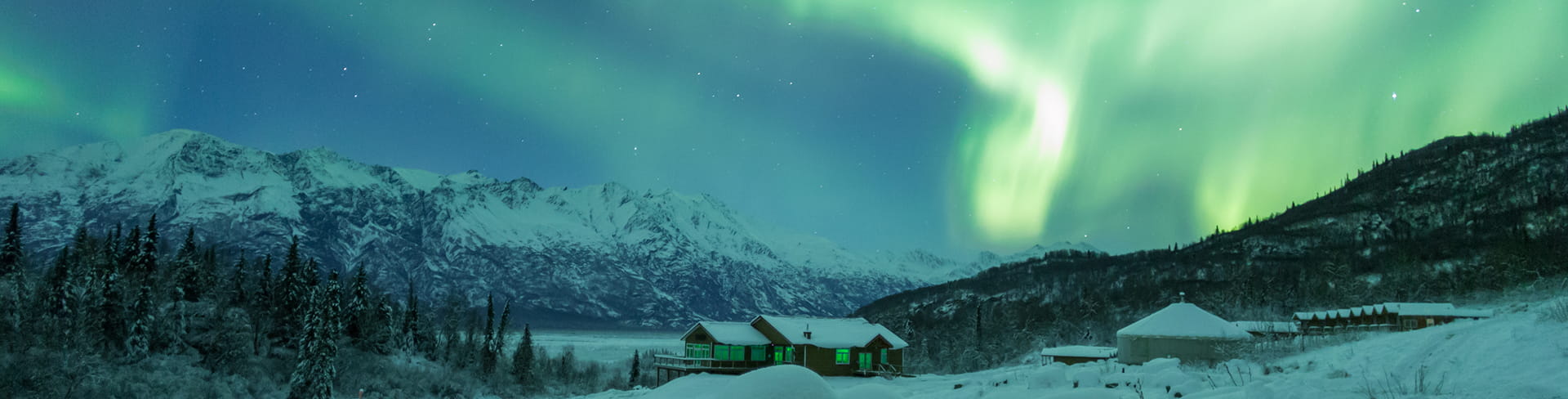
Modern Preservation & Cultural Tourism
History hardly feels like a thing of the past in The Mat-Su. Carefully preserved structures and sites are a common staple in our communities and parks. You can help protect these spaces by practicing Leave No Trace and leaving what you find for future generations to discover and celebrate. Your care for our thriving history is what ultimately makes you one of us!
Museum of Alaska
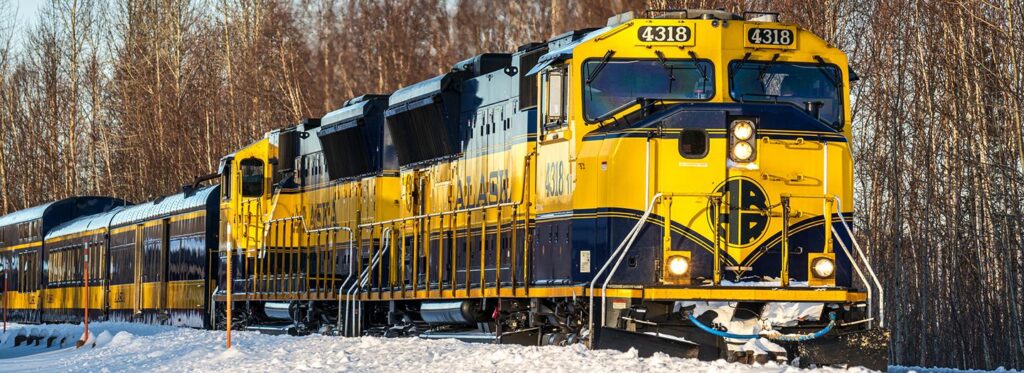
Museums & Historic Sites
Guided Tours

BUILD YOUR OWN ADVENTURE
Our multi-day itineraries are filled with helpful suggestions as you sculpt your own Alaska journey. If you’re staying in nearby Anchorage, check out our day-trip ideas.